

What is the best way to fluff up a cushion?
Nov 14, 2025
Leave a message
Fluffing up a cushion might seem like a simple task, but it's an art that can significantly enhance the comfort and aesthetic appeal of your living space. As a cushion supplier, I've witnessed firsthand the transformation a well - fluffed cushion can bring to a room. In this blog, I'll share the best ways to fluff up a cushion, ensuring that your customers get the most out of their purchase.
Understanding the Cushion Filling
Before we delve into the fluffing techniques, it's crucial to understand the different types of cushion fillings. Each filling material has its own characteristics and requires a specific approach to fluffing.
Polyester Fiberfill
Polyester fiberfill is one of the most common cushion fillings. It's affordable, lightweight, and easy to clean. However, it can flatten over time. To fluff up a cushion filled with polyester fiberfill, start by giving it a good shake. Hold the cushion by two opposite corners and vigorously shake it up and down. This helps to redistribute the fibers and loosen any clumps.
Next, knead the cushion with your hands. Gently squeeze and roll the cushion, working your way around it. Pay special attention to the edges and corners, as these areas tend to flatten more quickly. You can also use your fist to punch the cushion in different spots to further loosen the fibers.
Down and Feather Fill
Down and feather fillings are known for their luxurious feel and excellent insulation properties. They provide a soft and plush seating experience. To fluff a down and feather cushion, first, use a dry - cleaning brush or a soft - bristled brush to gently brush the surface of the cushion. This helps to separate the feathers and down clusters.
After brushing, give the cushion a few hard whacks with your hands. This action helps to break up any compacted areas. Then, place the cushion in a large pillowcase and put it in the dryer on a low - heat setting with a couple of clean tennis balls. The tennis balls will bounce around in the dryer, hitting the cushion and fluffing it up. Make sure to check the cushion regularly to prevent over - heating.
Memory Foam
Memory foam cushions are popular for their ability to conform to the body's shape. While they don't require as much fluffing as other fillings, they can still benefit from some maintenance. To fluff a memory foam cushion, remove it from its cover and let it air out for a few hours. Memory foam can sometimes become compressed due to sitting or lying on it, and airing it out allows it to expand.
You can also gently knead the memory foam to help it regain its shape. However, be careful not to apply too much pressure, as this can damage the foam. If the cushion has a slight odor, you can sprinkle a little baking soda on it, let it sit for a few hours, and then vacuum it off.
Fluffing Techniques for Different Cushion Shapes and Sizes
The shape and size of the cushion also play a role in the fluffing process.
Square and Rectangular Cushions
Square and rectangular cushions are the most common shapes. For these cushions, start by folding them in half diagonally and then shaking them vigorously. This helps to distribute the filling evenly. After shaking, unfold the cushion and knead it along the edges and the center. You can also use a rolling pin to roll over the cushion gently, which can help to smooth out any lumps.
Round and Oval Cushions
Round and oval cushions require a more circular motion when fluffing. Hold the cushion in the center and rotate it while gently squeezing and kneading it. This circular motion helps to keep the filling evenly distributed throughout the cushion. You can also try tossing the cushion in the air a few times and catching it, which can help to loosen the filling.
Large and Oversized Cushions
Large and oversized cushions can be a bit more challenging to fluff. For these cushions, enlist the help of a friend or family member. One person can hold the cushion while the other shakes and kneads it. You can also use a large - scale fluffing method, such as placing the cushion on a trampoline or a large, soft surface and jumping on it gently. This can help to fluff up the entire cushion at once.
Maintaining the Fluffed State
Once you've fluffed up the cushion, it's important to maintain its fluffed state.
Regular Fluffing
Make fluffing a regular part of your cushion maintenance routine. Depending on how often the cushions are used, fluff them at least once a week. Regular fluffing prevents the filling from becoming permanently compressed.
Proper Placement
When placing the cushions on furniture, make sure they are arranged evenly. Avoid overcrowding the cushions, as this can cause them to flatten more quickly. If possible, rotate the cushions regularly to ensure even wear.
Using Quality Covers
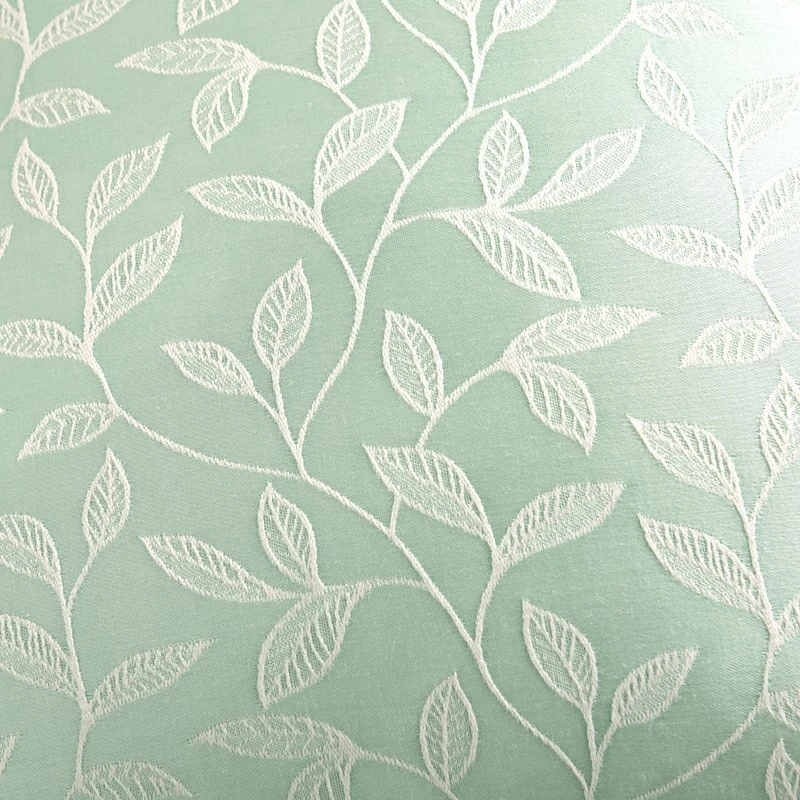
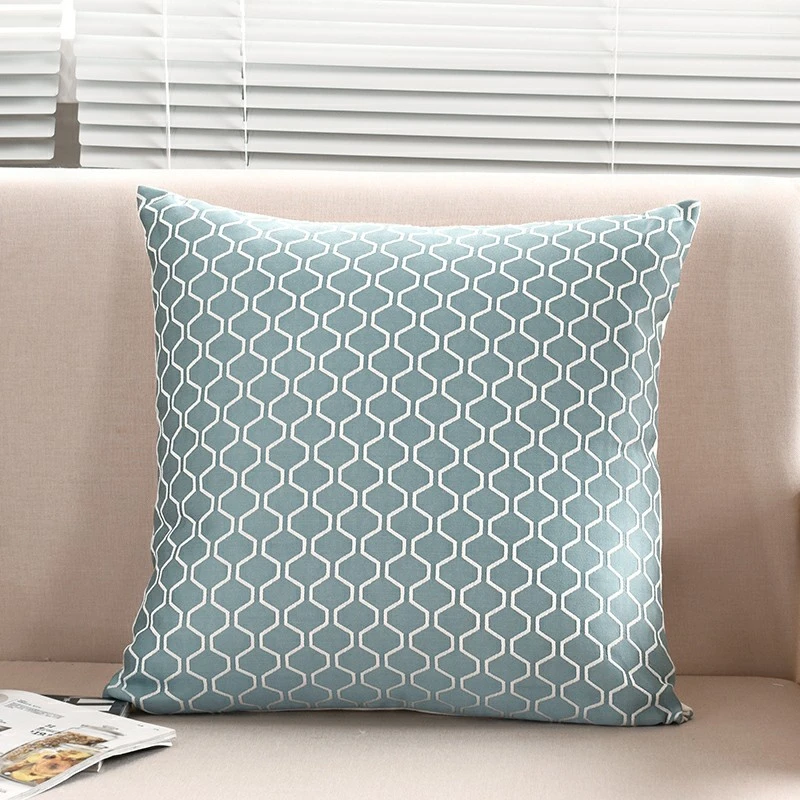
Invest in high - quality cushion covers. A good cover can protect the filling from dirt and moisture, which can cause it to clump and flatten. Decorative Cushion Covers Embroidered Plaid Sofa Pillows are not only aesthetically pleasing but also help to maintain the shape of the cushion.
Conclusion
Fluffing up a cushion is a simple yet effective way to enhance the comfort and appearance of your living space. By understanding the different types of cushion fillings, using the appropriate fluffing techniques for different shapes and sizes, and maintaining the fluffed state, you can ensure that your cushions look and feel their best.
If you're in the market for high - quality cushions or have any questions about cushion fluffing and maintenance, I encourage you to reach out for a procurement discussion. We're here to provide you with the best products and advice to meet your needs.
References
- "The Art of Cushion Care" - Home Decor Magazine
- "Cushion Filling Materials and Their Care" - Furniture Science Journal
- "Fluffing Techniques for Different Cushion Shapes" - Interior Design Weekly